What Australia’s Social Media Age Limits Really Mean for Business Visibility
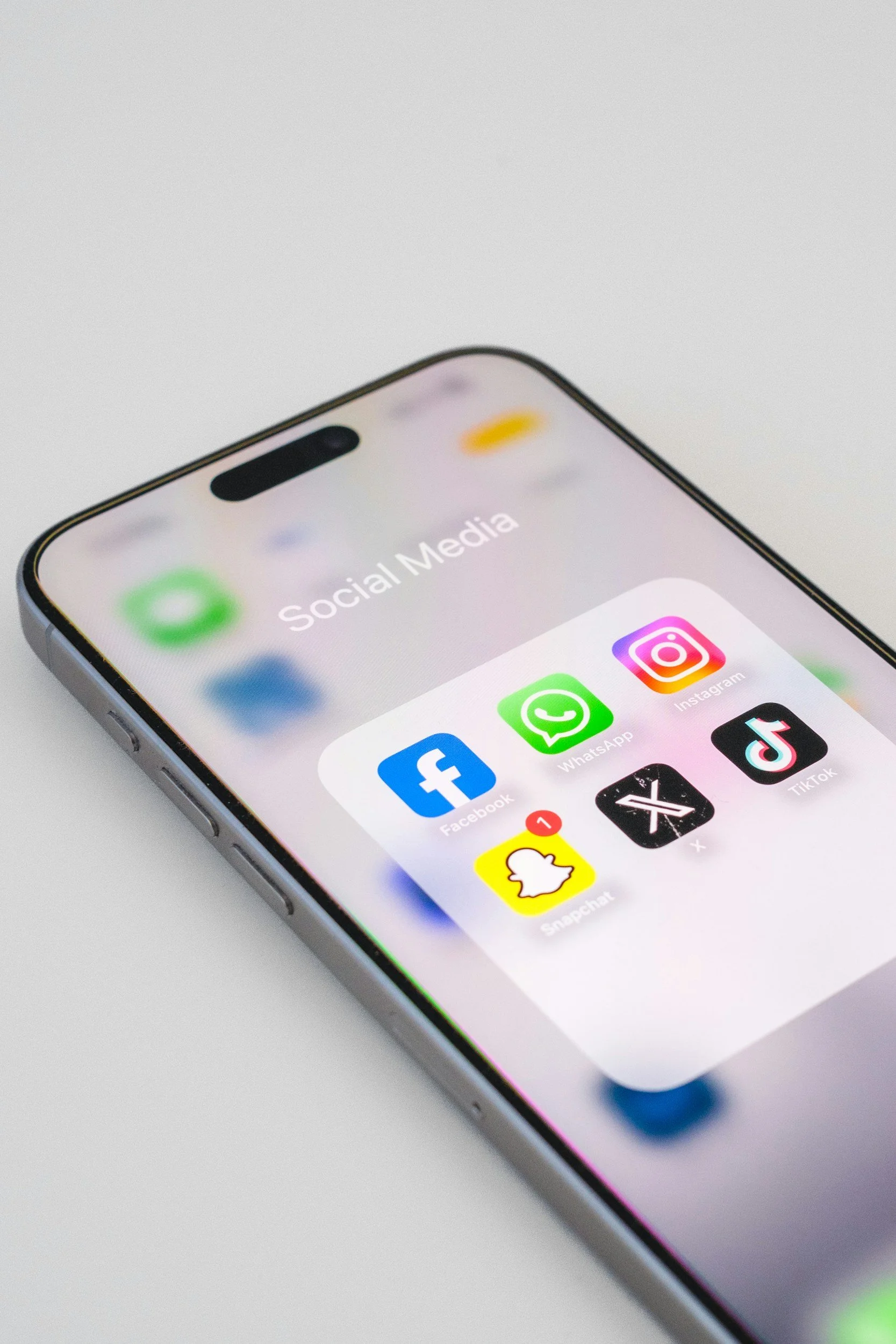
Australia’s new restrictions on social media use for under-16s have prompted important conversations about online safety and wellbeing. For businesses, this moment also offers something valuable. It gives us a checkpoint. A moment to pause long enough to ask a clear and often overlooked question.
If someone is not on social media, would they still know your business exists?
Some adults will continue using social platforms as much as before. Others will use them less. Some have stepped away entirely. Many parents remained on certain apps to supervise their children’s online activity and may now reconsider their own habits. And under-16s, by law, will not be there at all. Which brings us to a reminder many of us have seen before.
Every era has its “it” channel. Yellow Pages, print, radio, Google search, Facebook Pages, Instagram, short-form video. Each one arrived positioned as the next big thing, the crown jewel, the channel everyone needed to master. And for a moment, it always feels true. But over time the pattern becomes clear. No single channel is the whole strategy. Every channel is one part of a broader system. The real power comes from how they work together, not from crowning any one platform the star of the show. Social media has held the spotlight for a long time and it will continue to be important. But like every channel before it, it delivers its best results when it supports a complete ecosystem rather than trying to carry it alone.
That context makes the under-16 rule more than a policy change. It highlights a simple reality. Anyone under 16 will not legally be able to use major social media platforms. Brands that exist only within those platforms will have no visibility at all to that age group. They simply cannot encounter what sits behind an age-gated space. The same principle applies to adults who choose not to use social media or who use it only occasionally. Whether they are potential customers now or years from now, they will not come across brands that appear only in feeds they do not visit.
And visibility is exactly what this moment brings into focus. Any audience that is not present on social media cannot develop natural awareness through that channel. Which means businesses need to ensure their presence exists across multiple touchpoints, not just within a single feed.
When people genuinely need a business, they rarely rely on one platform. They search on Google. They check Maps. They read reviews. They browse websites that communicate clearly. They trust recommendations. They notice signage, vans and shopfronts. They read local articles and features. They hear radio and see out-of-home advertising. They build familiarity through small, repeated interactions that happen in many places over time.
These channels reach people who scroll daily, occasionally or not at all. They also create something social media alone cannot: a steady, ambient presence that builds trust long before someone becomes a customer.
So this moment is not about abandoning social media. It is about restoring balance. The broader marketing landscape is where long-term awareness grows and where trust forms. It is where your brand becomes discoverable even as trends shift and digital habits evolve.
Visibility is not about being everywhere. It is about being findable by everyone who may need you, now or in the future.
That is the heart of sustainable marketing.
Important note: Australia has strict regulations around advertising to children, including the AANA Code and Ad Standards rulings, which protect children from targeted or inappropriate marketing. All marketing activity must remain ethical, compliant and directed only toward appropriate audiences. This discussion is about visibility, not targeting.